

Ideas desde la práctica.
Perspectivas sobre estudios Direct-to-Participant y descentralizados, evidencia en vida real, gobernanza de la IA y la ciencia que impulsa mejores decisiones de salud, junto con nuestros próximos encuentros y publicaciones.
Dónde encontrarnos
Congresos y encuentros en los que participaremos próximamente.
Próximos eventos, vista de lista
- Evidilya at EADV Congress 2026: dermatology evidence beyond the trial site — 3 oct 2026 — Vienna, 30 September – 3 October.
- Meet Evidilya at CPHI Milan 2026 — 8 oct 2026 — 6 – 8 October, Fiera Milano.
- Meet Evidilya at Fi Europe 2026, Frankfurt — 19 nov 2026 — 17 – 19 November, Messe Frankfurt.
Cuatro artículos seleccionados para el mercado español están disponibles en español. Los demás aparecen a continuación en inglés y están claramente identificados.
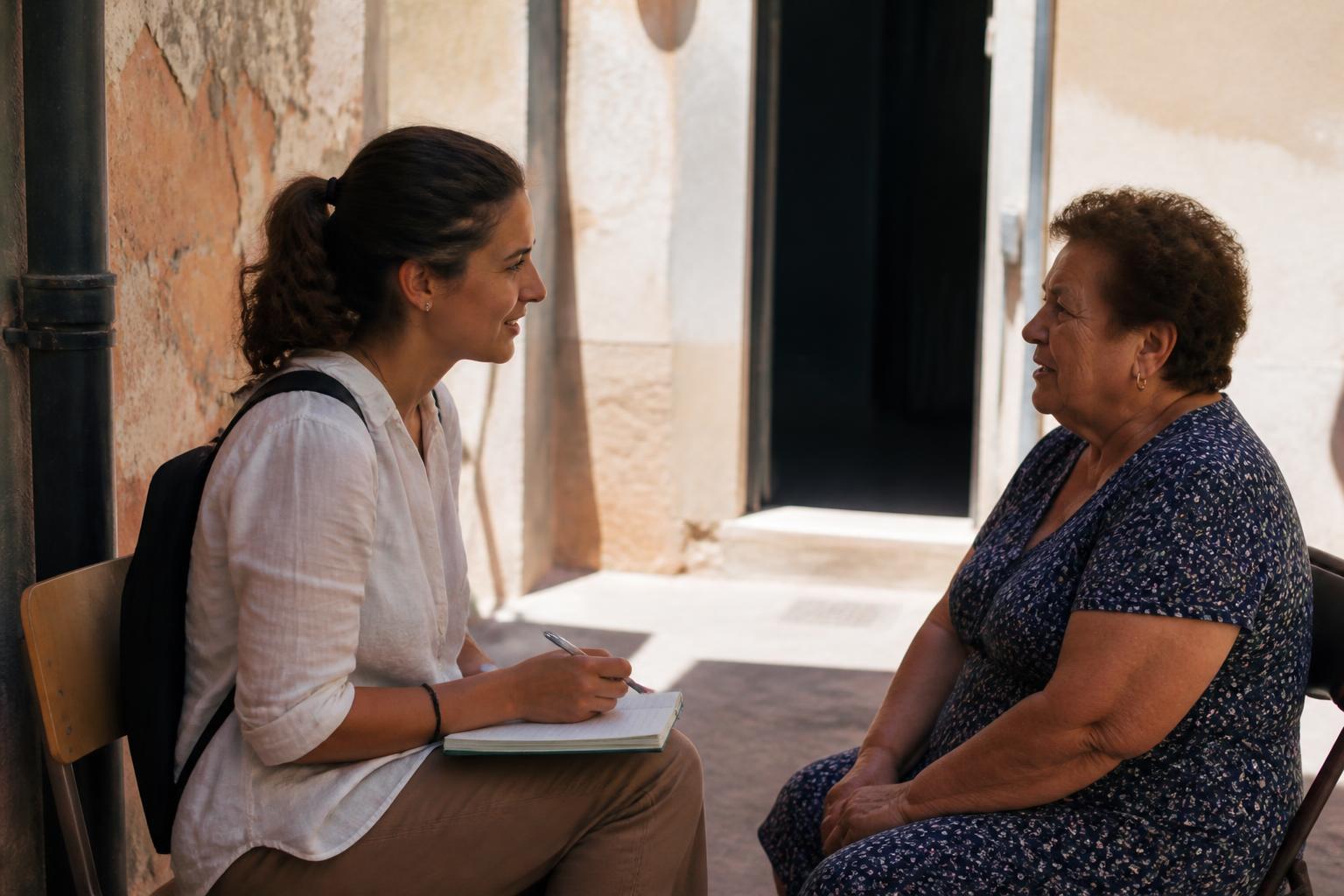
Sanos, con salud subóptima y enfermos: por qué la investigación en nutrición y CHC necesita un mapa de reclutamiento más amplio
Los estudios de nutrición y consumer health atraviesan habitualmente tres estados de salud —sanos, con salud subóptima y enfermos— y cada uno exige un canal distinto. Alcanzar solo uno estrecha la ciencia.
Leer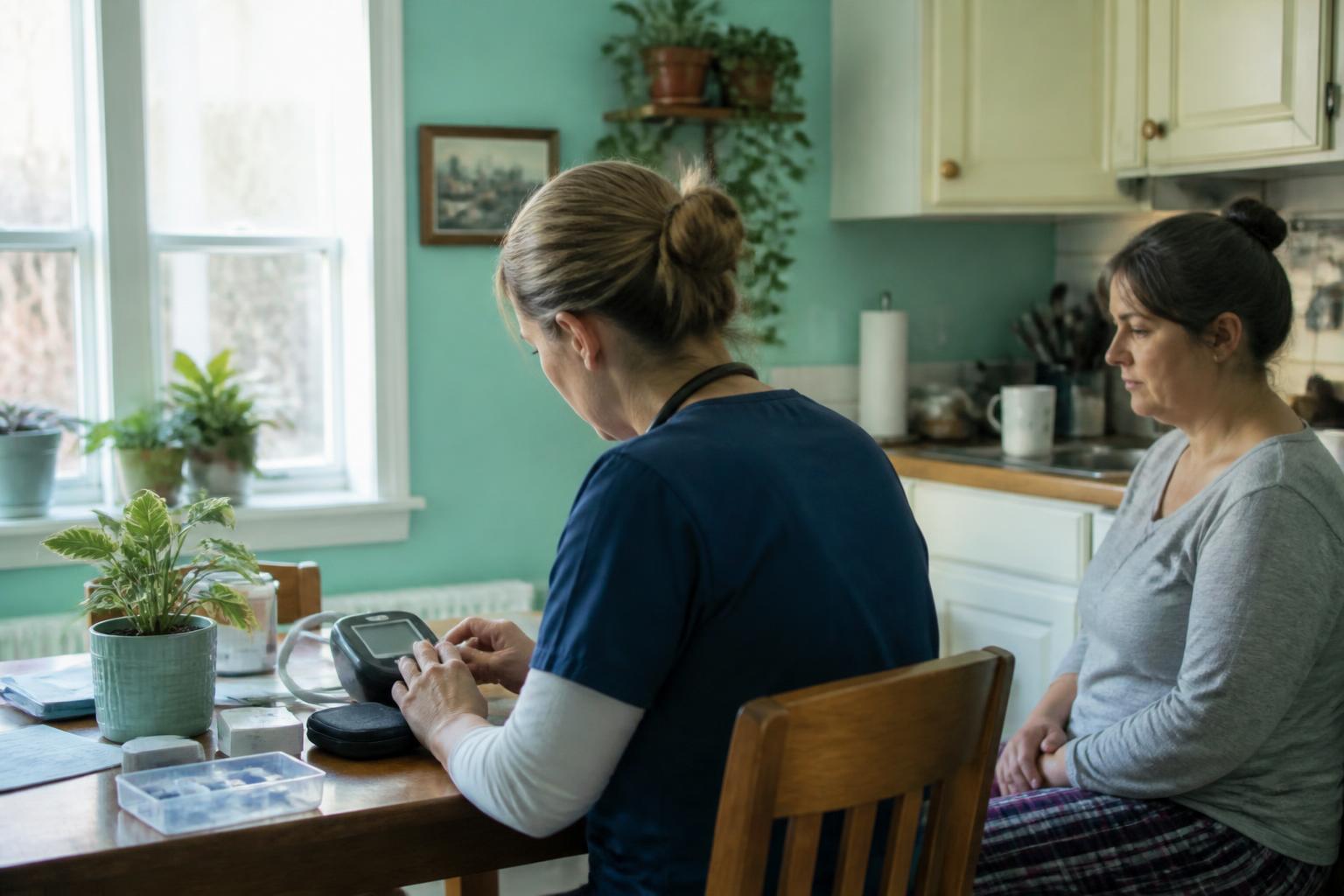
El D-T-P entra en la normativa: de práctica pionera a estándar regulatorio
En veinticuatro meses, la investigación direct-to-participant ha pasado de ser «innovación» a ser la forma en que hoy se escriben las buenas prácticas clínicas. Una lectura breve de la guía final de la FDA sobre DCT y de ICH E6(R3) con su Anexo 2.

Investigación en farmacia: llegar a los consumidores donde realmente compran
Para el consumer health y la nutrición sin receta, la farmacia comunitaria no es un centro de respaldo: suele ser el único entorno que llega al usuario real.

Los claims nutricionales requieren evidencia humana: la vía alineada con EFSA
Tamaños de efecto pequeños, variabilidad biológica y consumo real sin supervisión hacen que respaldar un claim nutricional sea difícil de verdad.

Trial, RWE or scientific survey: choosing the right rigour path before you commit
Two symmetric mistakes cost sponsors the most: assuming a survey will cover everything, or building a full protocol for a question an agile instrument could have answered. The route is decided by the data you intend to capture, not by budget.

Synthetic control arms: from pioneering to emerging regulatory precedent
Externally-controlled and synthetic-arm designs have moved from pioneering to structured regulatory openness. What the guidance actually asks for, and where the method still does not hold.

Verifiability over explainability: how to govern AI in evidence generation
The useful question for clinical AI is not how the model learned, but whether its outputs can be verified, stress-tested and reproduced. A governance stance that matches what the EU AI Act and FDA now ask for.

Beyond consent-centric: what EHDS and governed reuse change for evidence
Governance of health data is moving from the signature on a consent form to a system of institutional guarantees. What the European Health Data Space actually changes for secondary use, and what it demands in return.

Post-market clinical follow-up under EU MDR: from obligation to strategic asset
PMCF has outgrown its reputation as a formality. How manufacturers are turning real-world safety and performance data into intended-purpose extensions, competitive positioning, and dossiers regulators want to read.

Not a butterfly effect: why small nutritional shifts carry the largest returns
The idea that small changes can have outsized effects on health is true – but the butterfly is the wrong metaphor. The real science is about compounding, not chaos, and it comes with a catch that every nutrition and consumer-health sponsor eventually runs into: the smaller the effect, the harder it is to prove.

AI in clinical research: from acceleration to methodological rigour
Synthetic control arms, cohort selection, risk-based monitoring: AI is already inside modern trials. Where EMA, FDA and the EU AI Act are drawing the line, and what CROs are expected to validate before letting a model near a protocol.
Notas
Breves notas de archivo, observaciones de campo y reflexiones.
- Análisis
Real-world evidence in 2026: from post-approval safety to strategic decisions
RWE has moved well beyond post-approval monitoring. Where regulators and industry now accept real-world data to inform design, comparators and access, and where the limits still sit.
Leer - EventoResumen
Evidilya at CPHI Frankfurt 2025: decentralised trials and the phygital model
28 – 30 October, Messe Frankfurt. A recap of our conversations on how PHYGITAL-CROWD and ECS® compress the path from protocol to proof in decentralised and virtual settings.
LeerCPHI Frankfurt 2025 - Análisis
The evolution of RWE studies in the modern era
From retrospective audits to continuously governed real-world programmes: how RWE grew up in the last decade, and what modern evidence looks like.
Leer - Análisis
The path to long-term weight management: challenges and solutions
GLP-1s changed the pharmacology; adherence, tolerability and lifestyle context now decide long-term outcomes. Where evidence generation has to catch up.
Leer - Análisis
Technology and data robustness in neuroscience research
Cognitive and neurological endpoints are notoriously noisy. Digital biomarkers, remote assessment and standardised capture are quietly redefining what 'robust' means.
Leer - Análisis
Revolutionising oncological studies with decentralised approaches
Cancer trials are among the hardest to decentralise, and among the most valuable to try. What is safely remote, what stays at the site, and how to design the interface.
Leer
Publicaciones científicas disponibles previa solicitud.